

The study of human DNA is constantly evolving. Over the last decades, scientific discoveries
have revealed that genetics is much more dynamic than previously thought, involving not only
biological codes but also regulatory, environmental, and adaptive processes.
At the same time, various approaches explore the relationship between biology, internal states,
and human consciousness, creating a unique opportunity to integrate science and personal
experience.
This page gathers resources for those who wish to deepen their knowledge about DNA from
different perspectives.
DNA Science and Modern Genetics
The foundation of knowledge begins with scientific understanding. Important areas for study include:
- DNA structure and function
- Molecular genetics and epigenetics
- Neuroscience and neuroplasticity
- Biophotons and cellular communication
- Bioelectromagnetism and systems biology
Global scientific projects, like the Human Genome Project, have vastly expanded the understanding of human genetics and opened new frontiers of research.
Scientific journals like Nature and other academic publications frequently share important advances in the field.
Studying the science allows us to understand:
- How genes work and how the environment influences genetic expression.
- How the body adapts and evolves.
- What the current limits of knowledge are.
Epigenetics: The Bridge Between Environment and Genes
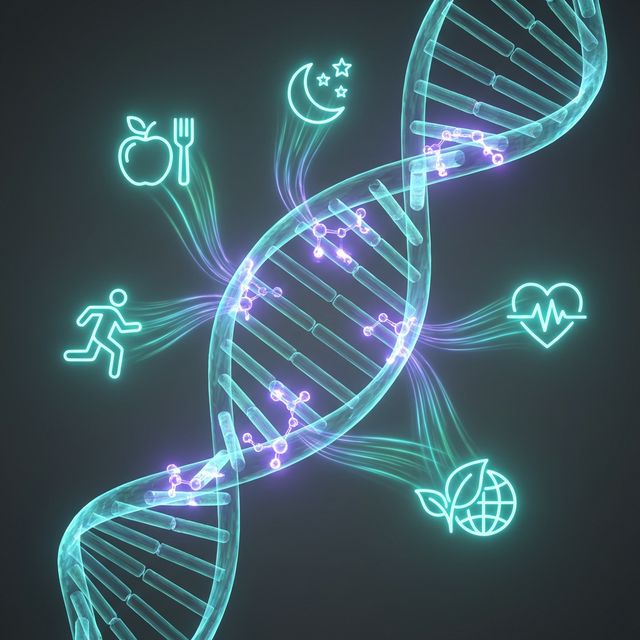
Epigenetics demonstrates that genes are not fixed destinies.
Factors that influence genetic expression include:
- Nutrition, sleep, and physical exercise
- Stress, emotions, and social environment
- Life experiences
This scientific area shows that the human organism possesses a great capacity for adaptation, reinforcing the idea of a dynamic biological potential.
Biophotons and Bioelectromagnetism
Some research investigates cellular communication through light signals and electromagnetic fields.
These studies suggest that:
- Cells emit ultra-weak light (biophotons).
- Biological systems possess organized electrical fields.
- Cellular communication may involve signals beyond chemistry.
While still developing, these areas broaden the understanding of the complexity of life.
Internal Exploration Practices
Beyond theoretical knowledge, personal experience can contribute to understanding human potential. Practices frequently associated with biological balance include:
- Meditation and conscious breathing
- Deep relaxation and conscious body movement
- Therapeutic sounds and frequencies
- States of gratitude, emotional coherence, and internal observation
Organizations like the HeartMath Institute investigate the relationship between emotions, physiological coherence, and the functioning of the organism.
These practices do not substitute medical care, but can support internal balance and well-being.
Frequency, Sound, and Nervous System Regulation
Sound can influence physiological states through neurological and emotional mechanisms.
Tools utilized include:
- Therapeutic music and relaxing sound environments
- Binaural frequencies and harmonic sounds
- Vocal vibration
States of deep relaxation can favor nervous system regulation, stress reduction, better sleep, and a sense of well-being. These factors create positive internal conditions for biology.
Recording Internal Experiences
A simple and powerful tool is personal journaling.
Keeping a journal can help to observe:
- Emotional changes and mental states
- Internal perceptions and the effects of practices
- Patterns of well-being
Self-observation increases awareness and facilitates personal learning.
Integrative Courses and Tools
There are educational approaches that combine:
- Biology, psychology, and neuroscience
- Body awareness and personal development
- Frequency and sound
These programs can help integrate scientific knowledge with practical experience.
Continuous Learning
Knowledge about human DNA is far from complete. New discoveries continue to emerge, expanding our understanding of health, longevity, regeneration, cognition, adaptation, and human evolution. Maintaining curiosity and an open mind is essential.