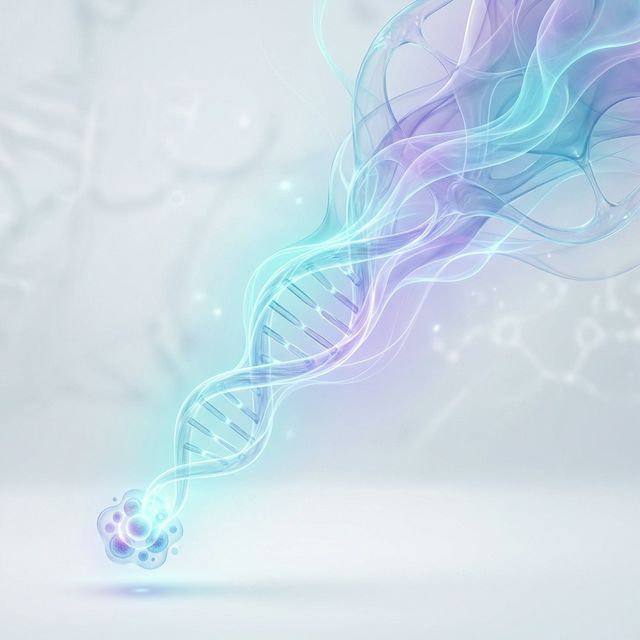
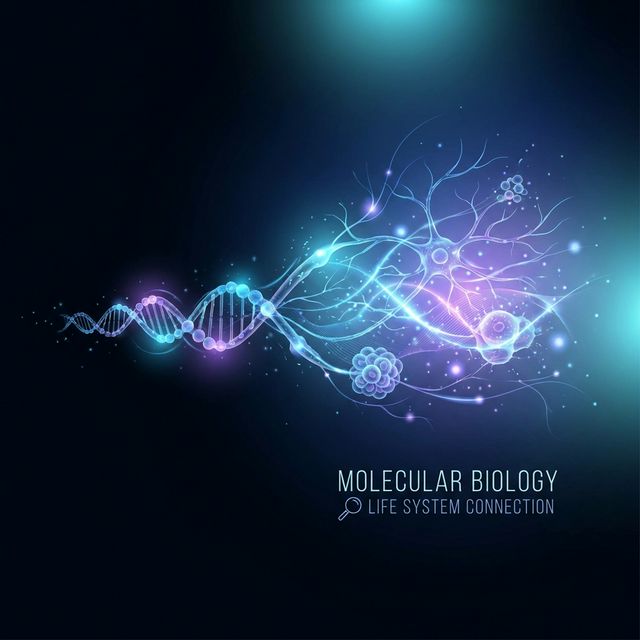
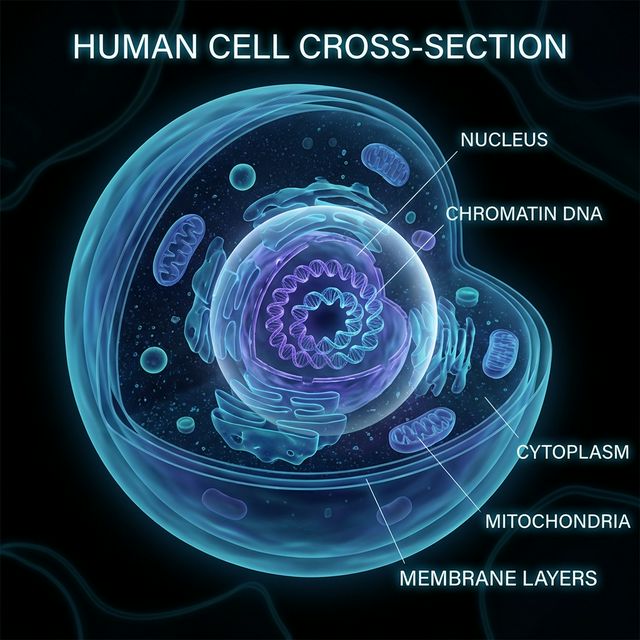
DNA (deoxyribonucleic acid) is the molecule that contains the fundamental biological instructions for building, functioning, and maintaining living organisms. It is present in practically all cells of the human body and constitutes what we know as the human genome.
The discovery of the DNA double helix structure was one of the greatest scientific breakthroughs of the 20th century, resulting from the work of researchers like Rosalind Franklin, James Watson, and Francis Crick. This discovery paved the way for modern genetics and a deep understanding of how biological information is stored and transmitted across generations.
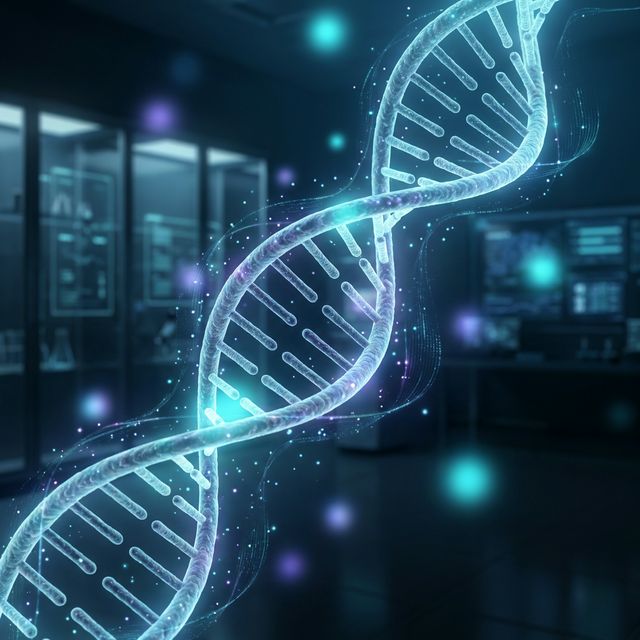
DNA Structure
DNA has a characteristic shape called a double helix, composed of two intertwined strands. Each strand is made up of units called nucleotides, which contain four chemical bases:
- Adenine (A)
- Thymine (T)
- Cytosine (C)
- Guanine (G)
The sequence of these bases functions as a biological code that determines how proteins are produced in the body.

Genes and Proteins
Genes are specific segments of DNA that contain instructions to make proteins. Proteins perform practically all functions of the body, including:
- Tissue structure
- Chemical reactions (enzymes)
- Cellular communication
- Immune system
- Development and regeneration
Although humans have about 20,000 genes, they represent only a small part of the total genome.
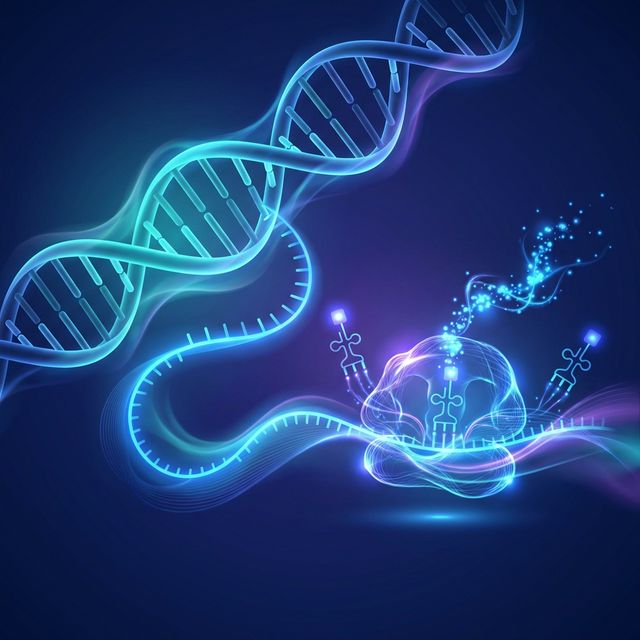
Non-Coding DNA — Far Beyond Genes
For decades, it was believed that much of DNA had no function. This material was called "junk DNA". Today we know this view was incomplete.
Much of DNA has important regulatory functions, including:
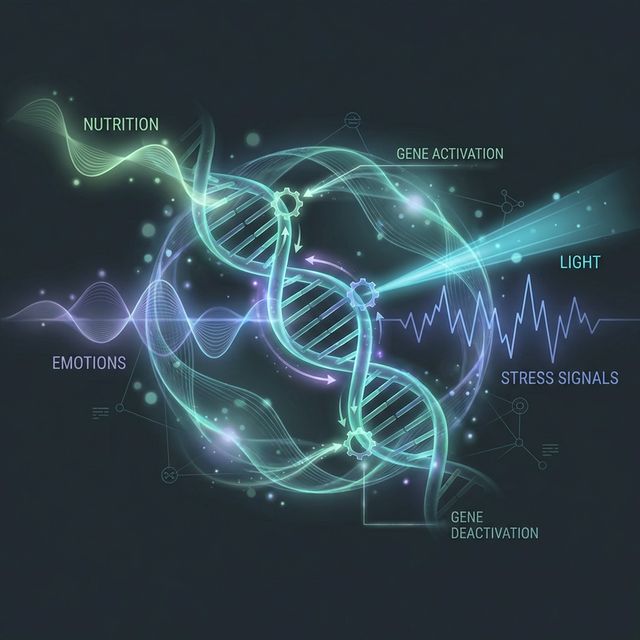
- Controlling gene activation and deactivation
- Structural organization of the genome
- Regulation of cellular development
- Production of regulatory RNA
Scientific projects like the Human Genome Project revolutionized the understanding of the human genome and showed that genetic complexity goes far beyond the simple sequence of genes.
Epigenetics — The Influence of the Environment
One of the most fascinating fields of modern biology is epigenetics, which studies how external factors can influence gene expression without altering the DNA sequence.
Among the factors that can affect genetic expression are:
- Diet
- Stress
- Environment
- Emotions
- Lifestyle
- Personal experiences
This means that DNA is not a fixed and immutable destiny; it is dynamic and responds to the internal and external environment.
Biological Plasticity
The human body has an extraordinary capacity for adaptation. Cells can modify gene expression throughout life, allowing:
- Recovery and regeneration
- Adaptation to environments
- Physiological learning
- Biological resilience
This plasticity opens doors to new areas of research, including personalized medicine, longevity, and regenerative therapies.
Current Scientific Frontiers
Genetic research continues to advance rapidly. Some of the most promising areas include:
- Gene editing (such as CRISPR technologies)
- Personalized genetic medicine
- Cellular therapies
- Cellular reprogramming
- Regenerative biotechnology
- Study of consciousness and biology
Although current science primarily focuses on the biological aspects of DNA, there is growing interest in understanding how complex systems including the mind, emotions, and environment interact with genetics.

An Evolving Perspective
Knowledge about DNA is still developing. What is unknown today may become clear in the future as new technologies and scientific paradigms emerge.
DNA is not just a chemical code; it is also a highly dynamic system that participates in the interaction between biology, environment, and human experience.